Petrol Price Increased by Rs55 Amid Middle East Tensions
Pakistan Govt Increases Petrol and Diesel Prices by Rs55 per Litre Amid Middle East Tensions
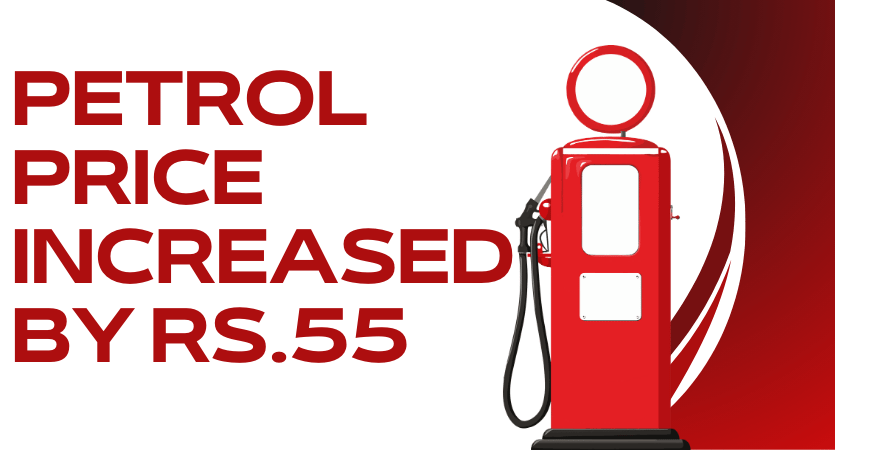
Pakistan has announced a major increase in fuel prices, raising both petrol and high-speed diesel by Rs55 per litre in response to surging global oil prices triggered by escalating tensions in the Middle East. The decision, which came into effect at midnight, marks one of the steepest single increases in recent years and is expected to have a significant impact on transportation costs and overall inflation across the country.
According to official announcements, the price of petrol has jumped to Rs321.17 per litre, while high-speed diesel now costs Rs335.86 per litre nationwide. The increase was confirmed during a joint press conference attended by Finance Minister Muhammad Aurangzeb, Deputy Prime Minister Ishaq Dar, and Petroleum Minister Ali Pervaiz Malik.
Global Oil Shock Behind the Increase
The primary driver behind the sudden price hike is the sharp rise in international crude oil prices. Global markets have become highly volatile following military escalations involving the United States, Israel, and Iran. Concerns over disruptions to key oil shipping routes in the Middle East have pushed crude prices significantly higher in a short period of time.
Oil prices reportedly surged from around $78 per barrel to more than $106 per barrel as fears grew that conflict could threaten energy supplies moving through strategic routes such as the Strait of Hormuz. Any disruption in this corridor could affect nearly one-fifth of the world’s oil supply, making global fuel markets extremely sensitive to developments in the region.
Because Pakistan relies heavily on imported petroleum products, fluctuations in international oil prices quickly translate into domestic price adjustments.
Government’s Response and Policy Changes
Officials stated that the price adjustment was unavoidable due to the evolving international situation. The government also revised the Petroleum Development Levy (PDL) structure as part of the pricing mechanism. Reports indicate the levy on petrol was increased while the levy on high-speed diesel was reduced in order to manage fiscal pressures.
Authorities have also announced a shift toward weekly fuel price reviews instead of the previous fortnightly system. This move is intended to help Pakistan respond more quickly to rapid fluctuations in the global oil market during the ongoing geopolitical crisis.
At the same time, government officials reassured the public that Pakistan has adequate fuel reserves and that there is no immediate risk of a nationwide shortage.
Economic and Public Impact
Despite these assurances, the sudden increase has already caused concern among consumers and businesses. Fuel prices directly influence transportation costs, electricity generation, and the prices of essential goods. As a result, analysts warn that the hike could lead to renewed inflationary pressure in the coming weeks.
Before the announcement, long queues were reported at petrol stations in several cities as motorists rushed to fill their tanks in anticipation of higher prices. Authorities also warned against fuel hoarding and instructed regulators to monitor supply chains to prevent artificial shortages.
Economists say the increase may particularly affect Pakistan’s transport and agriculture sectors, both of which rely heavily on diesel. Higher logistics costs could eventually translate into higher food prices, adding pressure on households already dealing with rising living expenses.
What Lies Ahead
With tensions in the Middle East continuing to escalate, global energy markets are expected to remain unstable. If the conflict expands or disrupts major oil shipping routes, analysts believe crude oil prices could rise even further in the coming weeks.
For Pakistan, this means domestic fuel prices may continue to fluctuate depending on international market conditions. The government has indicated it will closely monitor developments and adjust prices accordingly during its weekly reviews.
For more details about the latest fuel price changes in Pakistan, you can read the full report on Geo News coverage of the petrol price hike.
In the meantime, businesses and consumers alike are bracing for the economic ripple effects of this sharp fuel price increase as the global energy crisis continues to unfold.
Read Also: India vs New Zealand Match Prediction