Pakistan Electricity Bills Crisis 2026
Pakistan Electricity Bills Crisis 2026 – Why Power Costs Are Becoming Unbearable
Pakistan’s electricity bills crisis has become one of the country’s biggest economic and social issues in 2026. Across major cities and rural areas alike, households and businesses are struggling with rising electricity charges, fuel adjustment costs, taxes, and capacity payments.
Public frustration over expensive utility bills continues to grow as inflation and economic pressure affect millions of people nationwide.
📈 Why Electricity Bills Are Increasing
Several major factors are contributing to the sharp rise in electricity costs in Pakistan.
⛽ 1. Expensive Fuel Costs
Pakistan still relies heavily on imported fuel sources for electricity generation, including:
- Furnace oil
- LNG (Liquefied Natural Gas)
- Coal imports
Global fuel price fluctuations directly affect electricity generation costs.
💸 2. Capacity Payments
One of the most discussed issues in Pakistan’s power sector is:
“Capacity payments”
These are payments made to independent power producers (IPPs) even when electricity is not fully consumed.
Energy experts say capacity payments have become a major burden on consumers because they increase overall electricity tariffs.
📉 3. Circular Debt Crisis
Pakistan’s energy sector is also dealing with massive circular debt.
Circular debt occurs when:
- Consumers fail to pay bills
- Distribution companies face losses
- Government subsidies become unsustainable
This financial chain creates ongoing pressure on electricity pricing.
🏠 Ordinary Citizens Are Under Pressure
For many families, electricity bills now consume a large portion of monthly income.
Citizens across Pakistan report problems such as:
- Bills doubling during summer months
- Heavy taxes and surcharges
- Rising fuel adjustment charges
Middle-class and lower-income households are especially affected.
🏭 Businesses and Industries Also Suffering
Pakistan’s business sector says high electricity costs are damaging:
- Manufacturing competitiveness
- Industrial production
- Export growth
Factory owners argue expensive energy increases production costs and makes Pakistani products less competitive internationally.
Some industries have already reduced operations due to rising utility expenses.
🌡️ Summer Heatwaves Are Worsening the Situation
Extreme summer temperatures in Pakistan increase electricity consumption because of:
- Air conditioners
- Fans
- Cooling systems
As demand rises, higher usage often leads to even larger monthly bills for consumers.
⚠️ Public Protests and Anger
Electricity bills have triggered protests in multiple cities over the past year.
Citizens and traders have demanded:
- Reduction in taxes
- Lower tariffs
- Relief for low-income consumers
- Review of IPP agreements
Public frustration has become a major political issue for the government.
🏛️ Government Response
The Pakistani government says reforms are being introduced to stabilize the energy sector.
Officials have discussed:
- Renegotiating power contracts
- Increasing renewable energy share
- Reducing transmission losses
- Improving bill recovery systems
However, experts say structural reforms may take years to show major results.
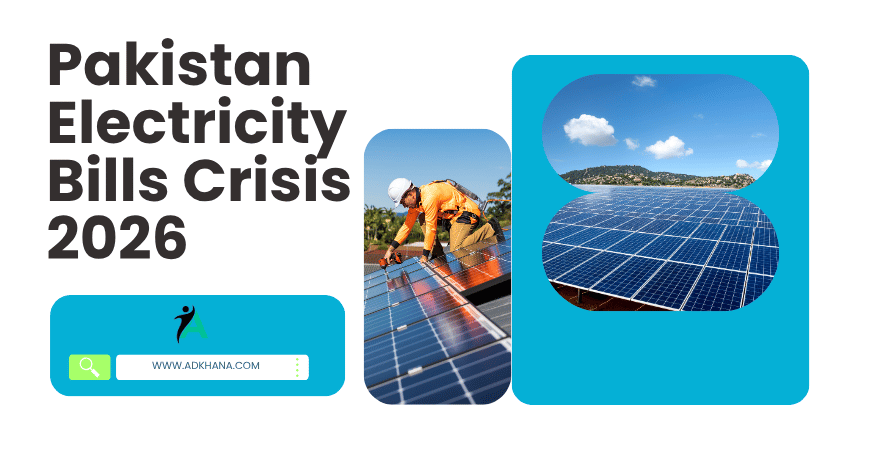
🌞 Solar Energy Boom in Pakistan
One major response from consumers has been the rapid shift toward solar energy.
Due to expensive electricity bills, many households and businesses are installing:
- Rooftop solar systems
- Hybrid inverters
- Battery backup solutions
Industry reports suggest Pakistan has seen major growth in solar imports during recent years. (reuters.com)
⚡ Net Metering Becoming More Popular
Consumers are increasingly using:
Net Metering
This allows solar users to sell excess electricity back to the grid.
Net metering has become attractive because it can significantly reduce monthly electricity bills over time.
However, some policymakers are debating future changes to net metering policies.
📊 Why Pakistan’s Power Sector Faces Long-Term Problems
Experts say the electricity crisis is linked to broader structural issues, including:
- Transmission losses
- Electricity theft
- Outdated infrastructure
- Poor financial management
- Dependence on imported fuel
Without long-term reforms, electricity prices may remain unstable.
🌍 Global Economic Factors Also Matter
Pakistan’s electricity prices are heavily influenced by:
- Global oil prices
- Currency exchange rates
- LNG market conditions
Since Pakistan imports much of its energy fuel, international economic conditions directly affect local electricity bills.
🔮 What Could Happen Next?
Energy analysts believe Pakistan may continue facing:
- Periodic tariff increases
- Pressure from IMF-linked reforms
- Rising summer electricity demand
At the same time, renewable energy adoption is expected to grow much faster if electricity prices remain high.
🧠 Experts Suggest Possible Solutions
Energy experts recommend:
- Expanding renewable energy
- Modernizing power infrastructure
- Reducing transmission losses
- Reforming IPP agreements
- Encouraging energy efficiency
Many analysts believe solar energy could become a key long-term solution for Pakistan’s electricity crisis.
✅ Final Thoughts
Pakistan’s electricity bills crisis in 2026 reflects deeper economic and energy-sector challenges. Rising fuel costs, capacity payments, circular debt, and infrastructure issues are putting heavy financial pressure on both households and businesses.
While solar adoption and government reforms may provide some relief over time, millions of Pakistanis continue to struggle with rising electricity costs today.
The energy crisis is no longer just a utility issue — it has become a major economic and political challenge for the country.
Read Also: XAUUSD Trading Analysis 29 May 2026: Gold Forecast