Pakistan’s IMF Program
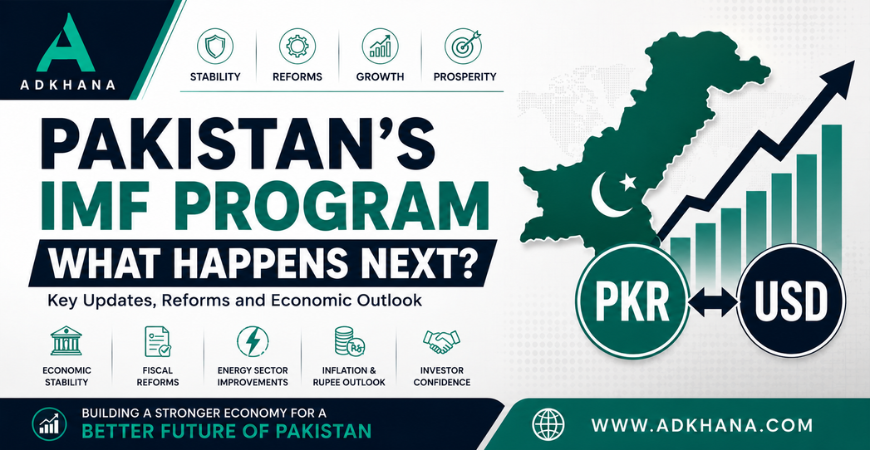
Pakistan’s IMF Program – What Happens Next?
Pakistan’s relationship with the International Monetary Fund (IMF) continues to play a crucial role in shaping the country’s economic future. After facing foreign exchange shortages, rising inflation, and balance-of-payments challenges, Pakistan has relied on IMF support to stabilize its economy and restore investor confidence.
As the country moves through 2026, many Pakistanis are asking a key question:
What happens next in Pakistan’s IMF program?
The answer will affect everything from inflation and taxes to fuel prices, economic growth, and the value of the Pakistani Rupee.
🌍 What Is the IMF?
The International Monetary Fund (IMF) is a global financial institution that provides financial assistance and policy advice to member countries facing economic difficulties.
Countries typically seek IMF support when they experience:
- Foreign exchange shortages
- Debt repayment challenges
- Economic instability
- Balance-of-payments crises
In exchange for financial assistance, countries are usually required to implement economic reforms.
🇵🇰 Why Pakistan Needed IMF Support
Pakistan has faced several economic challenges over recent years, including:
- High inflation
- Rising external debt
- Foreign exchange reserve shortages
- Trade deficits
- Currency depreciation
These pressures increased the need for external financial support to stabilize the economy.
The IMF program helped Pakistan avoid a more severe economic crisis by providing financial backing and improving confidence among international lenders.
💰 What Has the IMF Program Achieved So Far?
Supporters of the IMF program argue that it has helped:
Stabilize Foreign Exchange Reserves
Higher reserves improve Pakistan’s ability to pay for imports and meet debt obligations.
Improve Investor Confidence
International investors often view IMF support as a sign of economic commitment and policy discipline.
Support the Rupee
Economic stabilization measures have helped reduce extreme volatility in the currency market.
Strengthen Fiscal Management
The government has implemented reforms aimed at improving revenue collection and reducing budget deficits.
📈 Why Economic Reforms Continue
The IMF generally focuses on long-term economic sustainability rather than short-term relief.
Key reform areas include:
- Tax collection improvements
- Energy sector reforms
- Public sector efficiency
- Fiscal discipline
- Debt management
The goal is to reduce economic vulnerabilities and improve long-term growth prospects.
⚡ Energy Sector Reforms Remain a Priority
One of Pakistan’s biggest economic challenges is the energy sector.
Issues include:
- Circular debt
- Transmission losses
- Capacity payments
- Electricity theft
The IMF continues encouraging reforms aimed at making the energy sector more financially sustainable.
While these reforms may improve long-term stability, they can also lead to higher utility costs in the short term.
💸 How the IMF Program Affects Ordinary Citizens
Many people experience IMF-related policies through:
Fuel Prices
Adjustments in petroleum levies and energy pricing can affect transportation costs.
Utility Bills
Electricity and gas tariff reforms often influence household expenses.
Taxation
Governments may increase revenue collection efforts to meet fiscal targets.
Inflation
Economic adjustments can sometimes create short-term inflationary pressures.
This is why IMF discussions often attract significant public attention.
🏦 What Happens to the Pakistani Rupee?
The IMF program plays an important role in exchange-rate stability.
A successful program can help:
- Improve foreign reserves
- Increase investor confidence
- Support currency stability
However, economists note that the Rupee’s future will also depend on:
- Export performance
- Remittances
- Global oil prices
- Economic growth
The IMF alone cannot determine the exchange rate.
📦 Importance of Exports and Remittances
For long-term economic stability, Pakistan must continue increasing foreign currency earnings.
Key sources include:
Exports
- Textiles
- IT services
- Agricultural products
Remittances
Millions of overseas Pakistanis send money home every year, helping strengthen foreign exchange reserves.
Many economists believe sustainable growth depends more on exports and productivity than on external borrowing.
🌐 What International Investors Are Watching
Global investors are closely monitoring:
- IMF review outcomes
- Economic reforms
- Budget performance
- Foreign reserve levels
- Inflation trends
Positive progress can improve investor confidence and encourage foreign investment.
⚠️ Challenges Ahead
Despite recent improvements, Pakistan still faces several economic challenges.
Inflation Pressures
High living costs remain a concern for households.
Debt Obligations
Pakistan must continue managing external debt repayments.
Energy Sector Problems
Structural reforms remain necessary.
Revenue Collection
Improving tax compliance continues to be a major objective.
Addressing these issues will be important for long-term economic stability.
📊 What Experts Expect Next
Many economists expect Pakistan to continue working closely with the IMF throughout 2026.
Possible developments include:
- Continued economic reforms
- Fiscal discipline measures
- Additional policy reviews
- Focus on reserve accumulation
- Structural improvements in key sectors
The exact path will depend on economic performance and reform implementation.
🚀 Opportunities for Economic Growth
Despite current challenges, several sectors offer growth potential:
- Information Technology
- Freelancing
- Renewable Energy
- Manufacturing
- Agriculture
- Export-oriented industries
Strong performance in these areas could reduce dependence on external financial assistance over time.
🔮 Long-Term Outlook
Most experts agree that Pakistan’s long-term success depends on:
- Sustainable economic growth
- Higher exports
- Better governance
- Energy sector efficiency
- Increased investment
While IMF support can provide temporary stability, long-term prosperity will require structural improvements across the economy.
🧠 What Does This Mean for Pakistan?
The IMF program is not simply about loans—it is about economic reform and stabilization.
Success will ultimately depend on whether Pakistan can:
- Strengthen its economy
- Improve competitiveness
- Increase productivity
- Generate sustainable growth
These factors will determine how quickly the country can reduce reliance on external financial support.
✅ Final Thoughts
Pakistan’s IMF program remains one of the most important factors influencing the country’s economic direction in 2026. While the program has helped stabilize foreign reserves, improve investor confidence, and support economic reforms, significant challenges still remain.
The next phase will likely focus on strengthening public finances, improving the energy sector, boosting exports, and maintaining economic stability.
For businesses, investors, and ordinary citizens, the outcome of these reforms will play a major role in shaping Pakistan’s economic future for years to come.
Read Also: XAUUSD Trading Analysis 22 June 2026: Gold Forecast