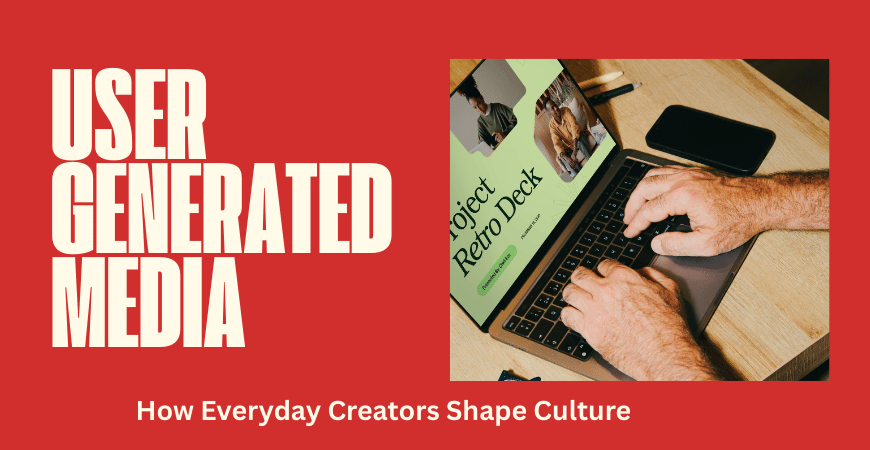
User-Generated Media: How Everyday Creators Shape Culture
What Is User-Generated Media and Why It Matters
In the digital age, culture is no longer shaped exclusively by large media houses, celebrities, or institutions with massive budgets. Instead, it is increasingly influenced by everyday people using smartphones, social platforms, and accessible creative tools. This shift has given rise to user-generated media (UGM), a phenomenon that is redefining how stories are told, trends are born, and identities are expressed. From short-form videos and memes to podcasts and community-driven campaigns, everyday creators now play a central role in shaping modern culture.
The Rise of User-Generated Media
User-generated media refers to content created and shared by individuals rather than professional organizations. Platforms such as YouTube, TikTok, Instagram, X (formerly Twitter), Reddit, and blogs have democratized content creation, enabling anyone with an internet connection to reach a global audience. What began as personal expression has evolved into a powerful cultural force.
Several factors have fueled this rise. Affordable smartphones, high-speed internet, intuitive editing tools, and algorithm-driven platforms have lowered barriers to entry. More importantly, audiences increasingly value authenticity over polish. Raw, relatable, and honest content often resonates more than highly produced material, giving everyday creators a competitive edge over traditional media.
Authenticity as Cultural Currency
One of the defining traits of user-generated media is authenticity. Unlike corporate messaging, UGM often reflects real experiences, emotions, and perspectives. This authenticity builds trust and emotional connection, which are critical in shaping cultural narratives.
For example, social movements, lifestyle trends, and even language evolution now often originate from ordinary users sharing personal stories. Hashtags, viral challenges, and community-driven conversations influence public opinion and mainstream media coverage. In many cases, traditional outlets follow the cultural direction already established by online communities.
Redefining Influence and Celebrity
User-generated media has also transformed the concept of influence. Influence is no longer limited to movie stars or public figures; it extends to niche creators with small but highly engaged audiences. These “micro-creators” and “nano-influencers” often hold more sway within specific communities than mainstream celebrities.
This shift has cultural implications. Representation has broadened, allowing voices from diverse backgrounds, regions, and identities to gain visibility. Creators discuss topics ranging from mental health and social justice to fashion, education, and local traditions. As a result, culture becomes more inclusive and reflective of real-world diversity rather than curated ideals.
Shaping Trends in Real Time
User-generated media moves at an unprecedented speed. Trends can emerge, evolve, and fade within days—or even hours. A single video, post, or meme can spark global conversations overnight. Music charts, fashion styles, food trends, and slang are now heavily influenced by online creators rather than traditional trendsetters.
Platforms reward engagement, not authority. This means cultural relevance is determined by community interaction rather than institutional endorsement. The result is a dynamic, participatory culture where audiences are not just consumers but active contributors.
Economic and Creative Empowerment
Beyond cultural impact, user-generated media has created new economic opportunities. Content creators monetize their work through ad revenue, brand partnerships, subscriptions, and direct audience support. This has given rise to the creator economy, where individuals build sustainable careers around their passions.
This economic empowerment also affects culture. Creators are incentivized to explore unique ideas, local stories, and underserved topics. Instead of conforming to mainstream narratives, they can succeed by serving specific communities and interests. Over time, this leads to richer and more varied cultural expression.
Challenges and Responsibilities
While user-generated media has many benefits, it also presents challenges. The rapid spread of content can amplify misinformation, stereotypes, or harmful narratives. Without editorial oversight, creators bear greater responsibility for accuracy and ethical storytelling.
Additionally, algorithm-driven visibility can pressure creators to prioritize virality over substance. This raises questions about mental health, creative burnout, and the long-term sustainability of constant content production. As UGM continues to shape culture, digital literacy and platform accountability become increasingly important.
The Role of Platforms and Communities
Platforms act as cultural gatekeepers through algorithms, policies, and monetization rules. Their decisions influence which voices are amplified and which are sidelined. However, communities also play a critical role. Comment sections, shares, remixes, and responses collectively shape how content is interpreted and valued.
Culture in the age of user-generated media is collaborative. A single piece of content often evolves through community interaction, creating shared meaning beyond the creator’s original intent. This participatory nature distinguishes UGM from traditional, one-way media models.
A Lasting Cultural Shift
User-generated media is not a passing trend; it represents a structural shift in how culture is created and shared. As highlighted by research on participatory culture, audiences increasingly expect to be involved rather than passive observers (https://www.pewresearch.org). This expectation is reshaping media, marketing, politics, and social interaction.
Looking ahead, emerging technologies such as artificial intelligence, augmented reality, and decentralized platforms will further empower everyday creators. However, the core driver will remain the same: people telling their own stories, in their own voices.
Conclusion
User-generated media has fundamentally altered the cultural landscape. By empowering everyday creators, it has made culture more democratic, diverse, and dynamic. While challenges exist, the influence of ordinary individuals on global conversations is undeniable. In this new era, culture is no longer handed down from the top—it is built collectively, one post, video, and story at a time.
Read Also: XAUUSD Trading Analysis 19 December 2025: Gold Forecast