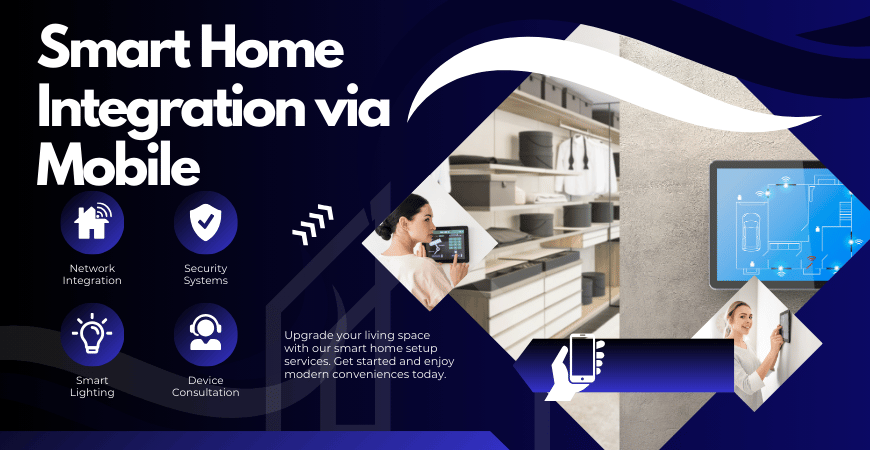
Smart Home Integration via Mobile: What Consumers Want
Key Features Consumers Expect in Smart Home Integration via Mobile
The rapid growth of the Internet of Things (IoT) has transformed the modern home into a connected ecosystem, where devices communicate seamlessly to enhance convenience, efficiency, and security. From smart thermostats and lighting systems to connected kitchen appliances and security cameras, the technology has already changed the way people live. However, the true potential of IoT is unlocked through mobile-based smart home integration, where homeowners can monitor, manage, and control their devices from a single smartphone or tablet. Understanding what consumers want from this integration is critical for businesses and developers aiming to succeed in this fast-growing market.
The Rise of Mobile-Centric Smart Homes
Mobile technology is at the heart of smart home adoption. Smartphones have become universal interfaces, allowing users to interact with multiple devices across different platforms. Consumers increasingly expect the ability to control every aspect of their homes remotely—whether adjusting the thermostat from the office, turning off lights while on vacation, or checking live camera feeds while running errands. This demand for seamless mobile integration is driving innovation in IoT devices and platforms.
According to a recent report by Statista, the global smart home market is projected to exceed $135 billion by 2025, with mobile applications serving as the primary interface for most users (https://www.statista.com). This growth highlights the importance of user-friendly apps, cross-device compatibility, and intuitive controls.
Key Features Consumers Look For
When it comes to mobile-based smart home integration, consumers prioritize certain features over others. Understanding these preferences is essential for companies seeking to meet market demands.
- Unified Control Platforms
Consumers prefer apps that allow them to control multiple devices from a single interface. Fragmented apps that require separate logins for each device can lead to frustration and reduced adoption. Unified platforms simplify management and enhance the overall experience. - Automation and Customization
Automation is a major draw for smart home users. Consumers want the ability to create schedules, triggers, and scenes—for example, programming lights to turn on at sunset or having the thermostat adjust when the user leaves home. Customization ensures that smart home systems fit individual lifestyles rather than enforcing rigid routines. - Real-Time Monitoring and Notifications
Mobile apps should provide real-time feedback from connected devices. Notifications about security breaches, appliance malfunctions, or unusual energy consumption allow homeowners to respond promptly. This feature increases peace of mind and enhances trust in smart home technology. - Voice Control Integration
Voice assistants like Amazon Alexa, Google Assistant, and Apple Siri have become integral to smart home ecosystems. Consumers increasingly expect mobile apps to seamlessly integrate with these assistants, enabling voice commands alongside traditional touch-based controls. - Energy Management and Sustainability Insights
Smart home users are not just seeking convenience—they are also interested in efficiency and sustainability. Mobile apps that track energy usage, suggest optimizations, and allow remote control of heating, cooling, and lighting systems appeal to environmentally conscious consumers. - Security and Privacy
Data security remains a top concern. Users want encryption, secure authentication, and transparent privacy policies. Mobile apps must ensure that sensitive information, such as camera feeds or usage patterns, is protected against breaches.
Consumer Expectations on User Experience
Beyond features, the user experience (UX) of mobile smart home apps is a decisive factor. Consumers expect:
- Intuitive Navigation: Clear menus, visual dashboards, and minimal steps to perform tasks.
- Reliability: Apps must be stable, responsive, and compatible with various devices.
- Personalization: Recommendations and settings that adapt to user behavior enhance engagement.
- Cross-Platform Support: Integration across smartphones, tablets, and wearable devices provides flexibility.
A poor UX can quickly lead to frustration, abandonment, or underutilization of otherwise sophisticated devices.
Challenges in Mobile Smart Home Integration
Despite its promise, mobile-based smart home integration faces several challenges. Compatibility issues between different brands and ecosystems can limit functionality. Network stability is crucial; interruptions in Wi-Fi or cellular service can render smart devices ineffective. Additionally, security vulnerabilities in IoT devices pose risks, necessitating robust encryption and frequent software updates.
Another challenge is consumer education. Many users are unaware of the full capabilities of their devices or how to configure automation effectively. Simplified onboarding and in-app tutorials can bridge this knowledge gap.
Trends Shaping the Future
Looking ahead, several trends will shape consumer expectations in mobile smart home integration:
- AI-Driven Automation: Artificial intelligence will enable smarter, predictive automation based on user habits.
- Interoperability Standards: Greater standardization will allow devices from different manufacturers to work seamlessly together.
- Augmented Reality (AR) Interfaces: AR may provide interactive ways to visualize and control smart home environments.
- Sustainability Features: Apps that suggest eco-friendly practices and energy savings will gain popularity among conscious consumers.
These innovations will make mobile smart home integration not only convenient but also intelligent, adaptive, and aligned with broader lifestyle goals.
Conclusion
Mobile-based IoT integration is redefining the concept of home, offering unparalleled convenience, security, and efficiency. Consumers want unified control, real-time monitoring, automation, sustainability insights, and seamless voice integration—all delivered through intuitive, reliable mobile apps. Meeting these expectations requires technology providers to focus on interoperability, user experience, and security while anticipating emerging trends like AI-driven automation. By doing so, the smart home ecosystem can evolve into a truly intelligent, user-centric environment that enhances modern living.
For more insights into the smart home market and consumer preferences, explore the latest IoT trends at Statista.
Read Also: Sustainable Wardrobes: Circular Fashion and Upcycled Style