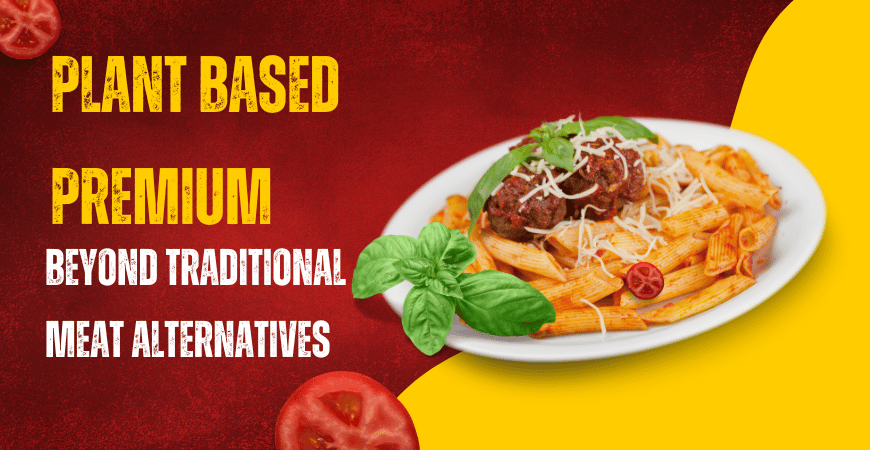
Plant Based Premium: Beyond Traditional Meat Alternatives
Plant Based Premium: The Next Wave Beyond Meat Alternatives
For much of the past decade, the plant-based food conversation has revolved around one central idea: replacing meat. Burgers made from peas, soy-based sausages, and lab-engineered proteins dominated headlines and supermarket shelves. While these innovations successfully introduced millions to plant-based eating, the market is now undergoing a significant shift. Consumers are moving beyond simple meat substitution and embracing what can be described as the plant-based premium—a category focused on quality, nutrition, experience, and culinary sophistication rather than imitation alone.
This evolution marks a new chapter in how plant-based foods are positioned, produced, and perceived.
From Imitation to Elevation
Early plant-based products gained traction by mimicking familiar meat formats. The strategy worked because it reduced friction for mainstream consumers. However, as the category matured, cracks began to show. Many products were criticized for being highly processed, nutritionally questionable, or overly reliant on additives to replicate meat texture and flavor.
Today’s consumers are more informed and discerning. They are asking deeper questions about ingredients, sourcing, sustainability, and health outcomes. As a result, brands are shifting from imitation to elevation—creating plant-based foods that stand on their own merit rather than trying to be something else.
The plant-based premium movement prioritizes whole-food ingredients, culinary craftsmanship, and sensory experience. Instead of asking, “Does this taste like meat?” consumers are asking, “Is this delicious, nourishing, and worth the price?”
The Rise of Culinary-Driven Plant-Based Products
One of the clearest indicators of this shift is the growing influence of chefs and food artisans in the plant-based space. High-end restaurants, boutique brands, and specialty grocers are introducing plant-forward menus and products that emphasize flavor layering, texture contrast, and regional inspiration.
Premium plant-based cheeses made from nuts, legumes, or fermented grains are a prime example. Rather than copying dairy cheese exactly, these products celebrate their plant origins while offering complexity and depth. Similarly, plant-based seafood alternatives are evolving beyond fish-shaped replicas toward refined dishes that highlight sea vegetables, mushrooms, and natural umami sources.
This culinary-first approach elevates plant-based eating from a dietary choice to a gastronomic experience.
Health, Functionality, and Transparency
Another driver of the plant-based premium trend is the growing demand for functional and transparent nutrition. Consumers are no longer satisfied with “plant-based” as a blanket health claim. They want clean labels, recognizable ingredients, and clear nutritional benefits.
Premium products often emphasize protein quality, fiber content, gut health, and micronutrients rather than simply reducing animal inputs. Fermentation, sprouting, and minimal processing are increasingly used to enhance digestibility and nutrient absorption.
Transparency plays a key role. Brands that openly communicate sourcing practices, ingredient origins, and production methods are gaining trust and loyalty. This aligns with broader wellness and sustainability movements, where food choices are seen as an extension of personal values.
Sustainability Beyond Carbon Footprints
While sustainability has always been part of the plant-based narrative, the premium wave takes a more nuanced approach. Instead of focusing solely on carbon reduction compared to meat, brands are examining water usage, soil health, biodiversity, and regenerative agriculture.
Some companies are sourcing ingredients from local or underutilized crops, supporting small farmers and reducing supply-chain vulnerability. Others are investing in circular production models that minimize waste and maximize resource efficiency.
This broader sustainability lens resonates with consumers who care not just about what they eat, but how it impacts ecosystems and communities.
Willingness to Pay for Quality
A defining characteristic of the plant-based premium category is price positioning. Unlike early plant-based products that competed directly with meat on cost, premium offerings are unapologetically higher-priced. Consumers are increasingly willing to pay for perceived value—better ingredients, superior taste, ethical sourcing, and brand integrity.
This mirrors trends seen in specialty coffee, craft beverages, and organic foods. Plant-based products are no longer confined to the “alternative” aisle; they are becoming aspirational lifestyle choices.
Importantly, this does not signal exclusion. As innovation scales and supply chains mature, premium practices often influence mainstream products, raising overall category standards.
Cultural and Global Influences
The plant-based premium movement is also drawing inspiration from global food cultures. Traditional plant-forward cuisines from Asia, the Middle East, Africa, and Latin America offer rich templates that never relied on meat imitation in the first place.
Dishes centered on lentils, chickpeas, grains, vegetables, and spices are being reintroduced to modern audiences with contemporary presentation and branding. This cultural crossover reinforces the idea that plant-based eating is not a trend, but a deeply rooted global practice.
Organizations such as the Good Food Institute have highlighted how innovation in plant-based foods is increasingly driven by quality, culture, and consumer expectations rather than novelty alone (https://gfi.org).
The Future of Plant-Based Premium
Looking ahead, the future of plant-based premium lies in balance. Consumers want foods that are indulgent yet nourishing, ethical yet enjoyable, innovative yet familiar. Brands that succeed will be those that respect the intelligence of their audience and focus on long-term trust rather than short-term hype.
Technology will still play a role, but it will be complemented by craftsmanship, storytelling, and purpose. As the category evolves, plant-based foods will no longer be defined by what they replace, but by what they represent: a more thoughtful, flavorful, and sustainable way of eating.
Conclusion
The next wave of plant-based innovation is not about recreating meat—it is about redefining value. The plant-based premium movement signals a maturation of the market, where quality, transparency, and experience take center stage. As consumers continue to demand more from their food, plant-based products that embrace authenticity and excellence will shape the future of how we eat.
Read Also: User-Generated Media: How Everyday Creators Shape Culture