
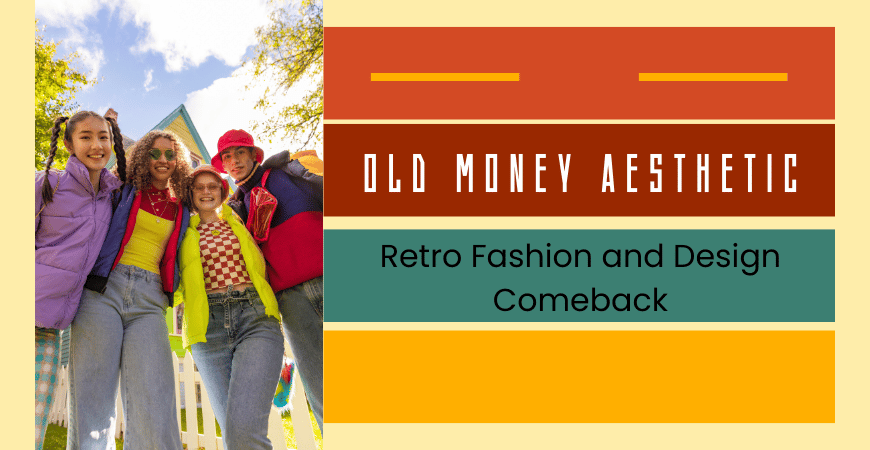
Old Money Aesthetic: Retro Fashion and Design Comeback
What Defines the Old Money Aesthetic in Fashion and Design?
Fashion and design are cyclical by nature, but some revivals carry deeper cultural meaning than others. In recent years, the “old money” aesthetic and broader retro influences have made a strong comeback, reshaping how people dress, decorate their homes, and define personal style. This resurgence is not merely about nostalgia; it reflects changing attitudes toward wealth, identity, sustainability, and timelessness in an era dominated by fast trends and digital excess.
The renewed fascination with understated elegance and classic design signals a shift away from loud branding and trend-chasing toward refinement, restraint, and heritage.
Understanding the “Old Money” Aesthetic
The “old money” aesthetic refers to a style traditionally associated with generational wealth rather than newly acquired affluence. It emphasizes subtlety, quality, and discretion over visibility and extravagance. In fashion, this translates into tailored silhouettes, neutral color palettes, high-quality fabrics, and minimal logos. In design, it appears through classic architecture, muted interiors, antique furniture, and enduring materials like wood, marble, and linen.
Unlike flashy luxury, “old money” style communicates confidence without the need for validation. Its appeal lies in the idea that true elegance does not need to announce itself.
Why Retro and Old Money Styles Are Returning
Several cultural and economic factors are driving the return of retro and old money aesthetics.
First, there is widespread fatigue with fast fashion and disposable design. Consumers are increasingly aware of the environmental and ethical costs of constant consumption. Classic styles, which prioritize longevity and craftsmanship, offer an appealing alternative.
Second, social media has played a paradoxical role. While it accelerates trends, it has also amplified appreciation for slow, intentional living. Platforms showcase vintage fashion, heritage homes, and timeless wardrobes, reframing them as aspirational rather than outdated.
Finally, economic uncertainty has influenced style preferences. During periods of instability, people often gravitate toward familiarity and tradition. Retro influences and old money aesthetics evoke stability, continuity, and trust—qualities that feel reassuring in unpredictable times.
Fashion: Tailoring, Neutrals, and Heritage Brands
In fashion, the comeback is unmistakable. Tailored blazers, pleated trousers, loafers, knitwear, trench coats, and silk scarves are dominating runways and wardrobes alike. Colors are subdued—camel, navy, cream, gray, and olive—replacing neon tones and experimental prints.
Heritage brands known for craftsmanship rather than hype are gaining renewed attention. At the same time, modern labels are reinterpreting classic pieces with contemporary fits and ethical production practices. Vintage shopping has also surged, as consumers seek authenticity and one-of-a-kind items that carry history.
This trend challenges the idea that fashion must constantly reinvent itself. Instead, it celebrates refinement, repetition, and personal curation over novelty.
Design and Interiors: Quiet Luxury and Timeless Spaces
The influence of old money and retro design is equally strong in interiors. Minimalist but warm spaces are replacing ultra-modern, cold aesthetics. Homes now feature layered textures, classic proportions, and furniture designed to last decades rather than seasons.
Elements such as crown molding, hardwood floors, neutral upholstery, and vintage accents create environments that feel lived-in and enduring. The goal is not perfection, but character. Retro influences—from mid-century modern to European classical styles—are being blended thoughtfully rather than replicated rigidly.
This design philosophy values craftsmanship and emotional connection, encouraging people to invest in fewer, better pieces.
The Role of Sustainability and Conscious Consumption
Sustainability is a key reason this aesthetic resonates with modern audiences. The old money mindset aligns naturally with responsible consumption: buy less, choose well, and maintain what you own. This contrasts sharply with trend-driven consumption cycles that encourage constant replacement.
Vintage fashion, upcycling, and restoration are all part of this movement. Rather than discarding items, people are repairing shoes, tailoring clothing, and reusing furniture. This approach not only reduces waste but also fosters a deeper relationship with personal belongings.
In this way, retro and old money aesthetics are not just stylistic choices—they represent a philosophical shift.
Cultural Influence and Identity
Beyond fashion and design, the popularity of old money aesthetics reflects evolving ideas about success and identity. Younger generations are increasingly skeptical of performative wealth and influencer culture. Instead, they admire discretion, education, cultural capital, and quiet confidence.
This shift challenges the dominance of logo-driven luxury and reshapes how status is communicated. Taste, knowledge, and consistency are becoming more valuable than visibility.
Media and pop culture have also contributed, with films, television series, and editorials romanticizing heritage lifestyles and classic elegance. According to insights from Vogue, the rise of “quiet luxury” reflects a broader movement toward timeless fashion and understated sophistication in response to trend overload (https://www.vogue.com).
Balancing Tradition with Modernity
Importantly, today’s revival is not about rigidly copying the past. Modern interpretations blend classic elements with contemporary values such as inclusivity, sustainability, and comfort. Gender-neutral tailoring, ethical sourcing, and modern fits ensure that retro influences feel relevant rather than restrictive.
The success of this trend lies in its adaptability. It allows individuals to express personality while drawing inspiration from enduring principles of style and design.
Conclusion
The comeback of “old money” and retro influences in fashion and design represents more than a passing trend. It signals a collective desire for longevity, quality, and meaning in a fast-moving world. By embracing timeless aesthetics, consumers are redefining luxury—not as excess, but as restraint, craftsmanship, and thoughtful living.
As trends continue to cycle, this return to the classics suggests that some styles never truly fade. They simply wait for the moment when the world is ready to value them again.
Read Also: XAUUSD Trading Analysis 24 December 2025: Gold Forecast