
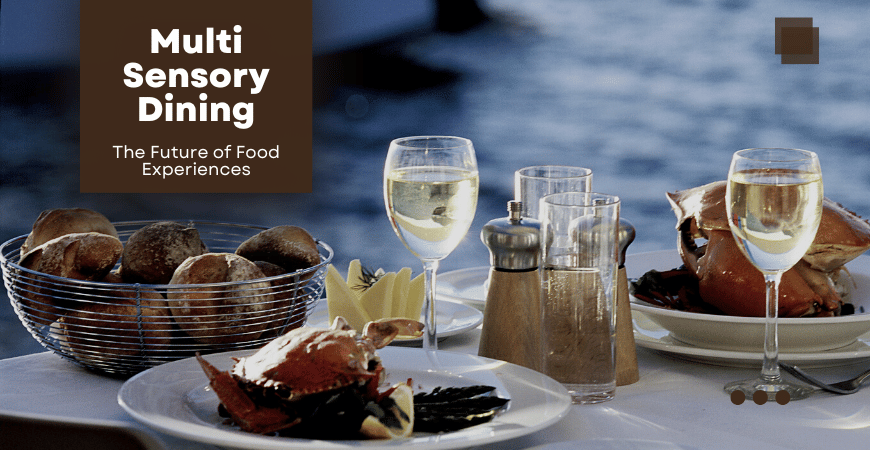
Multi-Sensory Dining: The Future of Food Experiences
Multi-Sensory Dining and the Rise of Storytelling Menus
In the past, dining was mostly about taste. If the food was delicious, the experience was considered complete. But the world of gastronomy has completely transformed. Today, eating out is no longer just a meal — it is an immersive experience, a performance, an emotional journey where chefs combine flavor, ambiance, sound, scent, and visual storytelling to create memories that stay with diners long after the last bite.
This new trend is often referred to as multi-sensory dining and storytelling menus, and it is reshaping modern hospitality across the globe. Restaurants are no longer just culinary spaces; they are becoming theatres of creativity where chefs are directors and diners are participants. As people seek more meaningful and memorable experiences, this fusion of food and storytelling is becoming a powerful movement in the culinary world.
The Shift from Eating to Experiencing
In a fast-paced lifestyle where people crave novelty and emotional connection, traditional dining sometimes feels incomplete. Simply tasting good food is no longer enough — diners want to be engaged, surprised, entertained, and moved.
This shift is driven by a few modern changes:
-
A growing interest in food culture due to social media and travel.
-
People wanting memorable experiences rather than material possessions.
-
Chefs pushing creative boundaries to stand out in competitive markets.
-
The rise of immersive entertainment, such as VR and themed experiences.
Thus, food has evolved into something much deeper — an art form that uses all five senses.
What is Multi-Sensory Dining?
Multi-sensory dining is a culinary approach where food is prepared and presented in a way that engages the sight, sound, smell, touch, and taste of diners.
Restaurants experiment with:
-
Unique plating techniques
-
Unusual textures
-
Ambient lighting
-
Music and soundscapes
-
Scented air
-
Interactive dishes
-
Temperature contrasts
-
Theatrical presentations
For example, a seafood dish may be served with the sound of ocean waves, a gentle mist of salty air, and lighting that mimics the sea. Diners do not just eat the dish — they experience the ocean.
Chefs are using psychology, sensory science, and art to create moments that make dining unforgettable.
The Power of Storytelling Menus
Storytelling menus elevate dining from sensory experience to emotional journey. Instead of serving random dishes, chefs design the entire menu like a story — with a beginning, middle, and end.
A storytelling menu may:
-
Represent the chef’s childhood memories
-
Take diners through different cultures
-
Focus on seasonal changes
-
Highlight historical themes
-
Celebrate local ingredients
-
Share personal or emotional narratives
For instance, the first dish might symbolize “home,” the next may represent “travel” or “exploration,” and the final dessert may depict “celebration” or “comfort.”
This emotional connection turns food into something deeper — an intimate, meaningful experience. Diners often leave such experiences feeling inspired, touched, and connected to the story.
The Science Behind Multi-Sensory Dining
Modern culinary innovators are collaborating with psychologists, neuroscientists, sound engineers, and artists to understand how each sense affects flavor perception.
Some interesting findings include:
-
Noise affects taste — loud environments reduce the ability to taste sweetness.
-
Colors influence flavor — red enhances sweetness, blue enhances freshness.
-
Scent alters perception — adding natural scents to a dining space enhances perceived flavor.
-
Textures trigger emotions — crunchy textures evoke excitement, while smooth textures create calmness.
-
Music changes mood — classical music makes food feel elegant, while upbeat music increases energy.
These scientific insights allow restaurants to design entire environments that match the mood of the menu, making the dining experience more immersive and memorable.
Examples of Multi-Sensory & Storytelling Dining Concepts
Around the world, several restaurants are pioneering this trend:
-
Ultraviolet (Shanghai) — A fully immersive restaurant using sound, visuals, scents, and projections to accompany each dish.
-
Alinea (Chicago) — Known for creative storytelling and theatrical presentations.
-
Gaggan (Bangkok) — A menu designed like an emotional journey with emoji-based storytelling.
-
Dining in the Dark — A global concept where diners rely on smell, touch, and taste in a pitch-black environment.
These restaurants show how food can be transformed into an entirely new form of entertainment.
For readers interested in exploring global dining innovations, check out this resource: World’s 50 Best Restaurants — a trusted guide to the most groundbreaking culinary experiences worldwide.
Why People Are Attracted to Experiential Dining
There are several reasons why multi-sensory and storytelling dining is gaining popularity:
1. Emotional Connection
People remember experiences that stir emotions. Story-driven dining triggers nostalgia, joy, surprise, and curiosity.
2. Social Media Influence
Visual presentations, smoke effects, dramatic plating, and thematic rooms generate shareable content.
3. Escape from Routine
Experiential dining offers a break from everyday life — a form of entertainment similar to theatre or travel.
4. Personalization
Some restaurants tailor menus to personal memories or preferences, creating unique and intimate experiences.
5. Higher Perceived Value
A storytelling menu often feels worth the premium price because it delivers more than just food — it delivers memories.
The Future of Dining: What to Expect
The future of food is set to become even more immersive and experimental. We may see:
-
Integration of VR and AR to create hybrid digital-physical dining experiences.
-
Fully themed restaurants where each course unlocks a new environment.
-
Sustainability-driven storytelling highlighting local ingredients and ecological awareness.
-
Personalized menus based on biometric feedback or mood detection.
-
Collaborations between chefs and artists for curated food performances.
As technology and creativity continue to evolve, dining will become a powerful blend of art, science, storytelling, and sensory exploration.
Final Thoughts
Food is no longer just nutrition — it is a multi-sensory journey and a story waiting to be told. As diners seek richer, more meaningful experiences, restaurants are innovating in ways that go beyond taste, blending creativity, culture, technology, and emotion.
Multi-sensory dining and storytelling menus represent the future of urban gastronomy — a future where every ingredient has a purpose, every dish tells a story, and every meal feels like an unforgettable moment.
If the goal of dining is to create joy, connection, and memory, then this new wave of experiential cuisine is exactly the future we need.
Read Also: XAUUSD Trading Analysis 24 November 2025: Gold Forecast

